



Advisor Contingency Planning
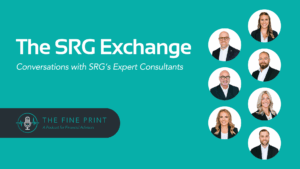
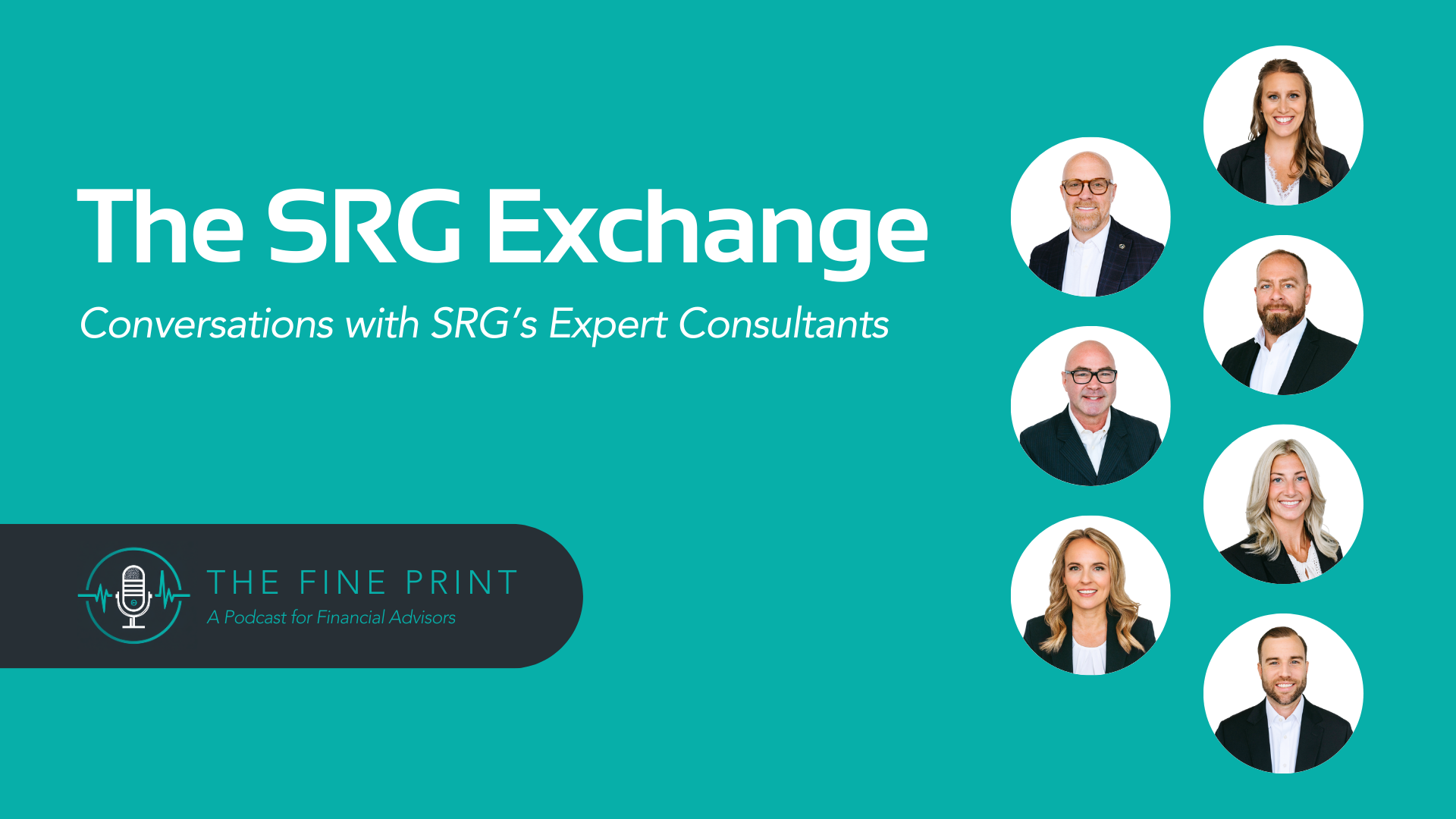
In the first-ever episode of The SRG Exchange, SRG’s consulting team comes together for a candid discussion on one of the most overlooked and essential components of running a financial advisory firm: contingency planning. Drawing from real client experiences and day-to-day advisory work, the team breaks down what advisors often misunderstand, what regulators actually expect, and what a truly functional continuity plan must include.
This conversation sheds light on the operational, legal, and relational challenges that surface when a plan fails, and offers practical steps to help advisors protect clients, revenue, and family long before an emergency occurs.
Why Contingency Planning Still Falls Short
The episode opens with a direct reality check. While nearly every advisor knows they should have a contingency plan, very few have one that would truly work under pressure. The team discusses common gaps they see across the industry, including:
- plans that exist only on paper and do not reflect firm reality
- unclear successor instructions
- incorrectly structured agreements that fail when tested
- BD or custodian forms mistaken for full plans
They explain why these gaps become critical risks, not just for compliance, but for clients, staff, and family members who are left scrambling.
Understanding What a Real Plan Looks Like
From valuation considerations to internal decision-making authority, the team outlines the building blocks of a functional, actionable plan. Key insights include:
- why a contingency plan must tie directly to a firm’s legal entity structure
- the importance of identifying who actually has the authority to take over
- why buy-sell agreements are not always enough
- how entity maintenance impacts continuity readiness
- the role of service agreements, compensation, and communication plans
The takeaway is clear. Effective contingency planning is not one-size-fits-all. It must be tailored to the firm’s ownership structure, internal roles, and growth stage.
Lessons From the Field
The discussion includes real scenarios pulled from SRG’s consulting work, including both successes and cautionary tales. Advisors will hear:
- what happens when documentation does not match operational reality
- how unexpected disability or death can affect valuation and transition options
- why even well-intentioned plans break down during crisis
- how firms that plan proactively preserve value and avoid chaos
These examples ground the conversation in real-world impact and show exactly how preparation, or lack of it, plays out.
Practical Guidance for Advisors
The team shares tangible steps advisors can take to strengthen or build their plan, including:
- conducting a full review of existing agreements
- validating successor roles and responsibilities
- documenting operational continuity steps
- maintaining updated books, records, and entity documents
- ensuring clients know the firm has a plan in place
They also discuss how often plans should be revisited, and why regular maintenance matters just as much as initial creation.
Conclusion: Protecting What Matters Most
The episode closes with a reminder that contingency planning is not just a compliance requirement. It is a fiduciary responsibility. By proactively addressing these issues, advisors protect their clients, their staff, the value of their firm, and the people they care about.
The key takeaway: a contingency plan is not complete until it works in real life, under real pressure. Advisors who invest the time to get this right are better positioned to navigate the unexpected and maintain stability for their business and everyone who depends on it.