



Entities and Entity Maintenance
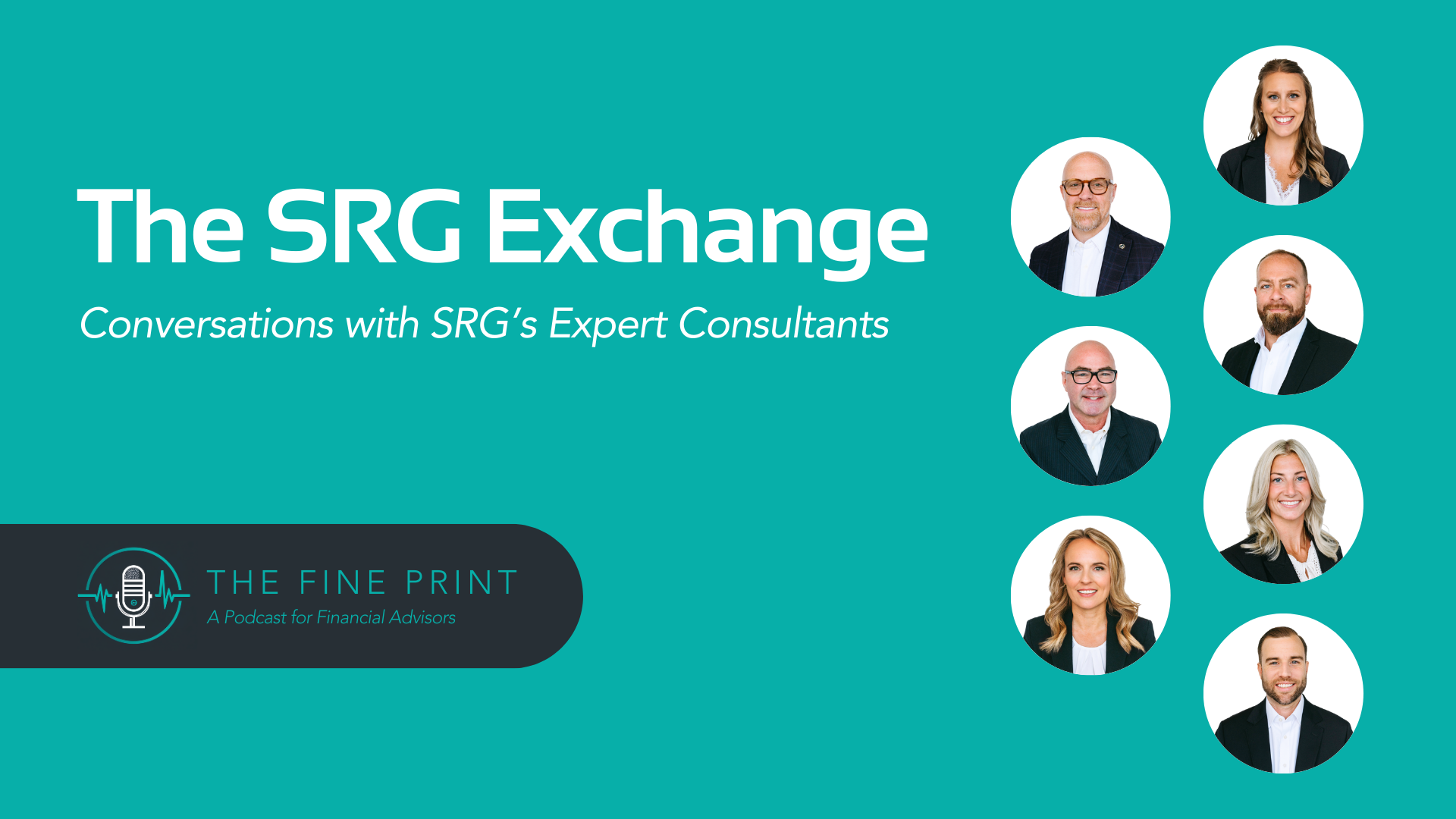
Entity structure is not just a legal formality. It plays a major role in how an advisory firm grows, shares ownership, and transitions leadership. In this episode of The SRG Exchange, SRG’s consulting team and general counsel unpack why entities have moved from a “set it and forget it” task to a core piece of business strategy.
You will hear how entity decisions influence everything from equity sharing and internal succession to mergers, lending, disputes, and value building.
Why entities are now strategic, not administrative
The team discusses how entities used to be treated as a quick setup for liability and taxes, but have become foundational for firms with growth plans, W2 employees, equity sharing, and long-term succession goals.
Why entities are now strategic, not administrative
The team discusses how entities used to be treated as a quick setup for liability and taxes, but have become foundational for firms with growth plans, W2 employees, equity sharing, and long-term succession goals.
Entity structure supports retention and equity pathways
A properly structured entity can create divisible ownership units or shares, enabling retention strategies and giving next-gen leaders a pathway to buy, earn, or convert into real equity.
S-corp versus LLC taxed as partnership
The group compares the tradeoffs of rigidity and flexibility across entity types. An S-corp can be effective in specific scenarios, but many firms pursuing mergers or complex ownership structures benefit from the flexibility of an LLC taxed as a partnership.
Entity structure impacts M&A, mergers, and equity swaps
Entities do not only matter for succession and equity sharing. They also shape peer-to-peer acquisitions, mergers, partner buyouts, and equity swaps. Poor structure or conflicting agreements can reduce tax strategy options and create deal friction.
Why entity maintenance matters
Entity documents need to reflect reality. The team shares how outdated operating agreements and inconsistent ownership schedules can create serious issues during valuations, due diligence, disputes, or even basic financing.
What maintenance actually includes
Maintenance is more than annual state filings. It includes documenting changes, capturing ownership updates, maintaining minutes, and ensuring titles and governance terms stay consistent over time.
The real risk: it is not an issue until it is
The group explains why entity problems often stay hidden until a triggering event happens, such as an owner dispute, a loan request, a merger, or litigation. When that happens, outdated documents become evidence.
In the context of succession planning
Rather than doing entity work in isolation, the team recommends aligning structure with the firm’s goals first. That includes what the founder wants to do long-term, whether the path is internal succession, external sale, mergers, or ensemble building.
Who is Featured in This Episode
Key Takeaway
Entity design and maintenance are foundational. When done strategically, they make it easier to share equity, retain talent, execute transactions, and protect long-term value. When ignored, they create friction at the exact moments when a firm needs clarity the most.