Watch the Replay
Is a Merger the Right Growth Move
for Your Advisory Firm?
In this webinar, Succession Resource Group’s Nicole Frey, CFP®, and Ryan Grau, CVA, CBA, walk advisory firm owners through the full merger process, from initial preparation to post-merger integration.
The session covers why firms pursue mergers, how to evaluate whether a potential partner is the right fit, and what structural and legal considerations need to be addressed before any deal moves forward.
Download the Presentation Deck Here
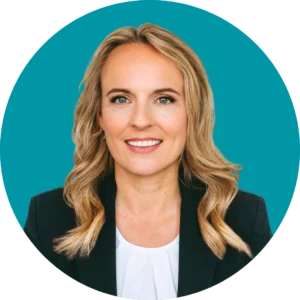
Speakers

1
00:00:05.100 –> 00:00:17.260
Nicole Frey: Hello, and welcome to Succession Resource Group’s monthly webinar series. Today, we will share with you how you can become stronger together by making a merger a growth move.
2
00:00:17.360 –> 00:00:29.270
Nicole Frey: For those of you who are interested in more content from us, we have a webinar coming up every month. You see the next two up here on the screen, and in the chat, you will find the link to sign up for those webinars.
3
00:00:29.270 –> 00:00:42.069
Nicole Frey: If you forget, or if you want to postpone that to a later time, please feel free to follow us on LinkedIn. You will find the announcements there as well, along with other great content that we publish on a regular basis.
4
00:00:43.780 –> 00:00:56.829
Nicole Frey: For those of you who are not familiar with us, just a quick introduction. Here at SRG, we help advisors turn business goals into reality. Our mission is to help you understand your options.
5
00:00:56.950 –> 00:01:01.779
Nicole Frey: Develop a great strategy, and ultimately put your plan into action.
6
00:01:02.150 –> 00:01:12.580
Nicole Frey: Our team’s experience covers areas such as valuations, M&A, equity planning, HR resources, and organizational strategies.
7
00:01:13.340 –> 00:01:18.989
Nicole Frey: At the end of the day, our goal is simple. We want to help you build a strong and lasting business.
8
00:01:20.310 –> 00:01:36.499
Nicole Frey: Your presenters today include Ryan Grau, our Director of Valuations. Ryan is a Certified Valuation Analyst and Certified Business Appraiser. I would say he’s the industry-leading expert on valuing advisory and wealth management firms.
9
00:01:36.550 –> 00:01:43.930
Nicole Frey: He has been admitted in multiple states, as an expert witness, and testified in FINRA arbitrations.
10
00:01:44.010 –> 00:01:50.680
Nicole Frey: NT has completed thousands of valuations for M&A, succession, litigation, and tax purposes.
11
00:01:51.480 –> 00:02:03.759
Nicole Frey: My name is Nicole Frye. I am the Director of Team Solutions here at Succession Resource Group. I help advisors with entity formations, entity restructurings, and mergers.
12
00:02:03.760 –> 00:02:16.519
Nicole Frey: My background is mainly legal. I study law in Germany, where I’m originally from, and I’ve worked for law firms for quite a few years. And now here at SRG, I help advisors,
13
00:02:16.950 –> 00:02:21.209
Nicole Frey: Integrate their firm successfully, and also build sustainable partnerships.
14
00:02:23.410 –> 00:02:40.000
Nicole Frey: Before we start with today’s agenda and content, I just want to get some housekeeping items out of the way to make sure you’re set up well for this presentation. Our team will also pull up a short poll survey here to answer some questions, so please feel free to submit your responses.
15
00:02:40.340 –> 00:02:56.450
Nicole Frey: For any questions you might have, we encourage you to submit those in the Q&A section of this webinar. We love to hear from you. We also like to know if something is not clear, so we can help clarify that and customize the content to your particular needs.
16
00:02:56.770 –> 00:03:05.950
Nicole Frey: The webinar recording will also be available in the next 24 hours, so please look out for an email from our team with a link so you can access that.
17
00:03:06.130 –> 00:03:23.479
Nicole Frey: And if you like today’s presentation deck, you can also request that from us. So please feel free to reach out to our team, or you can just wait until our team reaches out to you. They want to make sure that your questions are answered, and that might be a good time to also request the slide deck.
18
00:03:24.530 –> 00:03:34.979
Nicole Frey: All right, so your poll questions and responses are in. We appreciate that feedback, so that we can tailor our communication to you based on your particular needs.
19
00:03:37.790 –> 00:03:40.500
Nicole Frey: For today’s agenda.
20
00:03:41.480 –> 00:03:59.129
Nicole Frey: I want to start off by talking about why advisory firms seek out mergers, before we dive into the different phases of a merger. And those phases will cover the pre-merger preparation that you can take in order to get ready for that merger.
21
00:03:59.130 –> 00:04:08.640
Nicole Frey: We will then talk about the actual merger process, and here Ryan will help you understand some of the valuation considerations that are necessary.
22
00:04:08.640 –> 00:04:28.990
Nicole Frey: And then we’ll talk about the post-merger implementation, which is often forgotten, unfortunately, and then the merger is not going to be as successful as it can be. So definitely something we want to take some time today to help you understand what is needed in order to make that merger as successful as possible.
23
00:04:31.790 –> 00:04:55.359
Nicole Frey: When it comes to reasons why advisory firms seek out mergers, they can be very different, so it depends on where your business is in its current life cycle. Obviously, for some advisors, they’re seeking faster growth, so rather than just growing their business organically, they’re looking into merging other partners in who also have a book of business.
24
00:04:55.450 –> 00:04:59.470
Nicole Frey: So the merger is one good strategy to get that accomplished.
25
00:04:59.820 –> 00:05:14.580
Nicole Frey: Mergers can also result, or should result, in more scale. We see that all the time, that mergers result in more revenue being combined, so you see a lot more growth there on that end.
26
00:05:14.580 –> 00:05:25.349
Nicole Frey: While the expenses grow at a slower rate. So that’s the ideal merger where we have significant revenue increase, but the expenses increase just slightly.
27
00:05:26.500 –> 00:05:39.719
Nicole Frey: Some parties also seek to reduce their risk, so I will address that here in a minute, especially for sole proprietors in the room. There are ways how you can reduce your practice risk by joining a partnership.
28
00:05:39.820 –> 00:05:48.249
Nicole Frey: And then, last but not least, improving your business outcomes. So we’ll take a look at, how you can increase your profit margin.
29
00:05:48.250 –> 00:06:02.640
Nicole Frey: As you combine your business with other businesses, and now you’re operating on a larger scale, you will find that you have a lot more negotiation power when it comes to negotiating your contracts, and therefore the fee structures that are associated with that.
30
00:06:05.420 –> 00:06:29.109
Nicole Frey: Now, taking a closer look at some of these external objectives, some of them might resonate with you. Market expansion, obviously, is one of the key objectives here that a lot of parties are seeking, so you can increase your geographic region. We have helped advisors merge businesses across state lines, so that’s one way of getting that accomplished.
31
00:06:29.410 –> 00:06:43.889
Nicole Frey: You can also increase your client service options. We’ll talk about the ideal merchant partner later. So, a lot of times, what happens here is that you might look for someone who is complementary to your business.
32
00:06:43.890 –> 00:06:50.540
Nicole Frey: So you can add additional services and products to your client service model.
33
00:06:50.550 –> 00:06:53.459
Nicole Frey: So, the merger can help you accomplish that.
34
00:06:53.500 –> 00:07:08.230
Nicole Frey: Client demographics can be diversified more, and you can increase your contacts with certain centers of influence. Some of those might even be a party to the merger, so we helped quite a few teams merge with CPA practices.
35
00:07:08.250 –> 00:07:25.810
Nicole Frey: They’re pretty tricky, however, because you’re dealing with two highly regulated industries, so they have to be done very carefully, but it is a great business model, because you can basically create a one-stop shop for your clients and make sure they’re taken care of on the…
36
00:07:25.810 –> 00:07:29.759
Nicole Frey: Financial services and tax planning, platform.
37
00:07:31.310 –> 00:07:45.589
Nicole Frey: Talent attraction is also sometimes a key component here. We are dealing with an aging industry, so firms often consider combining their businesses so that they can build out their departments.
38
00:07:45.590 –> 00:07:52.880
Nicole Frey: Create several levels of hierarchies, and specialized positions within that firm.
39
00:07:52.880 –> 00:08:04.300
Nicole Frey: Mergers can make that happen, because now you’re combining forces, and therefore, you can offer greater career paths to those talented, advisors out there.
40
00:08:05.470 –> 00:08:22.419
Nicole Frey: For internal objectives, if there are some sole proprietors here in the room, you might find some of this resonates with you. Merger can result in more succession and continuity options, because you’re now adding a partner or multiple partners.
41
00:08:22.500 –> 00:08:31.979
Nicole Frey: So as you think about what happens to your client base if something were to happen to you, you have a team who will pick up, your client base
42
00:08:31.980 –> 00:08:47.500
Nicole Frey: for you, a lot of times, those are already integrated within the whole team, so maybe your clients don’t even miss too much. That’s the ideal outcome here, even though that might sound horrible to you, but it’s the ultimate outcome for your client.
43
00:08:47.680 –> 00:09:04.570
Nicole Frey: And then on the succession planning side, we always recommend that advisors don’t, transition out from one day to the next, so mergers are a great way of having somebody in your firm so that that transition can happen gradually over time.
44
00:09:05.350 –> 00:09:13.290
Nicole Frey: Capacity, might also be an issue for sole proprietors, so as you grow your business, you might realize that
45
00:09:13.340 –> 00:09:23.469
Nicole Frey: Either you’re now expanding your operations, and you might have to move away from maybe what you like best, and that’s client service and business development.
46
00:09:23.470 –> 00:09:33.570
Nicole Frey: To be more on the operational and managerial side, because now you’re adding a bunch of team members, and with that comes a whole lot more in terms of an infrastructure.
47
00:09:33.780 –> 00:09:48.449
Nicole Frey: So you could consider merging in with a larger team that is already set up in a certain way, so that you can still do what you do best and like the most, and that is client service, while that team takes care of the logistics of running that business.
48
00:09:49.330 –> 00:10:08.520
Nicole Frey: And then lastly on the list, but definitely not least, as an objective, is profit increases. As I mentioned, the merger can help cut redundancies, because now we still need the same level of technology. Maybe we don’t need to expand the business structure too much.
49
00:10:08.610 –> 00:10:15.079
Nicole Frey: But, that’s the ultimate goal, is that expenses don’t increase at the same level as the revenue.
50
00:10:15.410 –> 00:10:19.839
Nicole Frey: Plus, you might get more negotiation power as you deal with vendors.
51
00:10:20.180 –> 00:10:40.170
Nicole Frey: And for those of you who are affiliated with a broker-dealer, or maybe you’re rolled up under an RRA, and you’re subject to certain fee structures and payout grid rates, a merger can help, save some costs on that end, because a lot of times those fees are reduced, and your payout percentage might go up.
52
00:10:41.830 –> 00:11:00.870
Nicole Frey: So those are the objectives. Once those are clear, it is important to go through this list of steps, in order to make sure that merger is successful. So we’ll take a look at making sure your business structure or your organizational structure is set up right.
53
00:11:00.900 –> 00:11:19.440
Nicole Frey: that you have a clear plan on how to find the right merger partner. Then we’ll dive into the actual merger process, where Ryan will talk about valuations, and I will tell you more about the merger process, and ultimately, we’ll talk about the implementation.
54
00:11:20.560 –> 00:11:32.330
Nicole Frey: But step one is to get your business ready, and when we talk about merger readiness, we typically talk about the business structure, or in my world, I would call that an entity structure.
55
00:11:32.590 –> 00:11:43.130
Nicole Frey: The entity determines what our legal framework is for the merger, and if there are any tax considerations that might provide some obstacles here.
56
00:11:43.570 –> 00:12:02.309
Nicole Frey: for you personally, they also then dictate if there is some sort of liability exposure or certain protections in place for your operations. The entity structure will dictate whether or not there’s continuity of your operations, or if we have to renew or start something from scratch.
57
00:12:02.480 –> 00:12:15.139
Nicole Frey: And ultimately, also what our governance and decision-making looks like, meaning how do we approve that merger? And once the merger is approved, how do we then manage the merged firm together?
58
00:12:16.230 –> 00:12:32.460
Nicole Frey: So all of that is important, and we would love to work with advisors before they deal with the merger. I had some teams, they wanted to do all of it at once. It can get very overwhelming. So ideally, you set up right before that merger actually comes to fruition.
59
00:12:33.580 –> 00:12:39.110
Nicole Frey: And what we need to take a look at here is the entity’s basic legal form.
60
00:12:39.580 –> 00:12:48.870
Nicole Frey: the tax status, and then how are you set up from a multi-entity structure standpoint? Is that even something you’re pursuing?
61
00:12:49.230 –> 00:12:58.899
Nicole Frey: So when we talk about the legal form, we actually talk about how the entity is set up on the state level, how it was registered.
62
00:12:59.210 –> 00:13:03.910
Nicole Frey: And that dictates what laws are applicable to the entity.
63
00:13:04.180 –> 00:13:20.019
Nicole Frey: The common forms here in this industry are the corporation and the LLC, or Limited Liability Company. The corporation is not my favorite, because it is a very rigid structure. I always call it a creature of statute.
64
00:13:20.020 –> 00:13:32.280
Nicole Frey: So it doesn’t allow you a lot to, customize how you want to manage the entity and make decisions, because all that is outlined within your state laws.
65
00:13:33.510 –> 00:13:47.399
Nicole Frey: If you want to be more flexible in that regard, because, let’s say, as part of the merger, you end up with a 60% ownership interest, and your merger partner, has a 40% interest.
66
00:13:47.810 –> 00:14:00.819
Nicole Frey: In a corporation, that merger partner might be cut out out of certain decisions, because in corporations, a lot of the decisions are subject to a simple majority vote, so anything greater than 50%.
67
00:14:01.120 –> 00:14:20.780
Nicole Frey: That might not sit well with your merger partner. So the LLC gives you more flexibility in that regard. You can create different decision-making categories that then require different approval rates, something like simple majority and super majority. So we’ll look at that later in a little bit more detail.
68
00:14:22.580 –> 00:14:28.809
Nicole Frey: Any of these legal forms come with a default tax treatment or status.
69
00:14:29.110 –> 00:14:36.120
Nicole Frey: The corporations, by default, are treated as C-Corps. That means you’re dealing with double taxation.
70
00:14:36.560 –> 00:14:43.909
Nicole Frey: So there are taxes due on the corporate level, and then there are taxes due on the shareholder level as dividends are paid out.
71
00:14:44.500 –> 00:14:52.840
Nicole Frey: The LLC, on the other hand, is a default tax treatment here. If we have more than one owner, is treated as a partnership.
72
00:14:53.600 –> 00:15:02.140
Nicole Frey: Now, both of these legal forms can select a different tax treatment, and here the more common one is the S-Corp tax treatment.
73
00:15:02.390 –> 00:15:09.380
Nicole Frey: Because the benefit of the S-Corp is that any profits paid out to owners are not subject to FICA.
74
00:15:09.490 –> 00:15:22.020
Nicole Frey: So this is where you might have some tax savings. For most higher income earners, it would be more on the Medicare side, rather than also the Social Security taxes, but it depends on that income level.
75
00:15:22.810 –> 00:15:34.750
Nicole Frey: So that’s the benefit of that S-Corp election. However, the S-Corp comes with quite a few restrictions, one of which can complicate mergers. So I will share that here in a minute.
76
00:15:34.750 –> 00:15:53.969
Nicole Frey: But just one quick note on the multi-entity structure, so that is definitely something that can also influence the merger. There are some firms that have multiple entities for different business segments, so here the question is, does that merger impact all of those entities, or just one?
77
00:15:53.990 –> 00:15:58.100
Nicole Frey: So here you can see it can get a little bit more complicated.
78
00:15:58.330 –> 00:16:05.299
Nicole Frey: And there are structures where we have one main entity, and that entity is owned by different holding companies.
79
00:16:05.890 –> 00:16:20.269
Nicole Frey: So, all that needs to be considered. When it comes to the tax treatment, I already mentioned it to you, the S-Corp election does result in restrictions, one of which impacts the merger significantly.
80
00:16:20.680 –> 00:16:32.220
Nicole Frey: Most mergers are done in a way where an advisor joins another firm. That advisor has a book of business, they want to contribute in exchange for ownership in that business.
81
00:16:32.370 –> 00:16:44.730
Nicole Frey: So those are the simpler mergers, and it should not take a whole lot of work to get that accomplished, as long as we can agree on value and what the equity division is post-merger.
82
00:16:45.810 –> 00:16:55.340
Nicole Frey: With an S corporation, this type of transaction results in a taxable event in most instances for that person merging in.
83
00:16:55.480 –> 00:17:07.109
Nicole Frey: Because the IRS will say, that book of business being contributed is actually a sale, and now the advisor has to pay taxes on the value received.
84
00:17:07.500 –> 00:17:24.720
Nicole Frey: Now, the value received is not paid in the form of cash, it is paid in the form of equity. And that might complicate the whole transaction, because that means your merging partner has to have a duffel bag full of cash sitting somewhere to meet that tax liability.
85
00:17:26.030 –> 00:17:39.949
Nicole Frey: In an LLC taxed as a partnership, it can truly be treated as a contribution. So here, we are dealing with a capital contribution to a business. In exchange for ownership, it is not taxable at that time.
86
00:17:41.040 –> 00:17:55.490
Nicole Frey: So for those of you here in the room who are saying, well, Nicole, I love the flexibility of an LLC partnership, however, I also have significant income, so those tax savings still sound attractive to me.
87
00:17:55.490 –> 00:18:11.169
Nicole Frey: I do have a solution here for you that is very popular recently. It is a little bit more complex, so that’s the flip side of the coin here, that you have to trade in, having the best of both worlds with a little bit more flexibility.
88
00:18:11.450 –> 00:18:24.340
Nicole Frey: So in this particular structure, you would operate an LLC tax as a partnership that holds the value, the revenue, your operations, and therefore all or most of your expenses.
89
00:18:24.720 –> 00:18:30.409
Nicole Frey: And this is where equity sharing occurs. This is where you would merge that new partner in.
90
00:18:30.950 –> 00:18:41.450
Nicole Frey: And now, instead of you holding your interest personally in that LLC, you would hold it through an individual or single owner S-corporation as a holding company.
91
00:18:42.070 –> 00:18:55.109
Nicole Frey: So this is, in this example, we have 3 owners already, they each have their S-Corp holding company, and now they’re merging a new partner in. So there is a solution for you out there, as long as you’re ready for a little bit more complexity.
92
00:18:56.280 –> 00:19:12.130
Nicole Frey: So now that we cleaned up your entity structure, it is ready to, add another partner easily. The next, question for you is, what is your ideal merger partner? And this is where you definitely have to do some homework for yourself.
93
00:19:12.550 –> 00:19:28.510
Nicole Frey: That ideal merger partner should be similar or complementary to you, and should help you improve some of your business segments that need a little bit more help, and that needs to be reciprocal. Your merger partner has to feel the same way about you.
94
00:19:28.680 –> 00:19:41.969
Nicole Frey: So, you might want to take a look at the revenue sources that you’re trying to integrate, so that needs to be a good fit. Client service model also needs to be a good fit. We have some advisors
95
00:19:41.970 –> 00:19:52.509
Nicole Frey: who meet their clients on a regular basis, in a personal, one-to-one type of way, and others set up Zoom meetings all the time.
96
00:19:52.810 –> 00:20:03.460
Nicole Frey: So that needs to fit really well. Otherwise, you need to figure out a good transition plan so you can adjust those clients and make sure that you don’t lose them.
97
00:20:03.530 –> 00:20:23.390
Nicole Frey: Client types and growth goals should also be discussed, especially if the growth goals are different. We do have some teams where maybe a younger advisor is a little bit more ambitious still, and wants to grow more aggressively, while somebody else is seeking to slow down a bit.
98
00:20:23.390 –> 00:20:33.500
Nicole Frey: Here the topic is often, well, if I bring in all this business, shouldn’t my ownership adjust over time? Shouldn’t I have more equity because of that?
99
00:20:33.830 –> 00:20:49.130
Nicole Frey: That can open up a big can of worms for IRS audit purposes. It is also not as easy from a compliance standpoint. So here, you can definitely address that. That doesn’t mean the merger is off the table, but it should be addressed through compensation.
100
00:20:49.270 –> 00:20:55.219
Nicole Frey: And then the partner who seeks more equity can then use that compensation to buy more equity.
101
00:20:59.550 –> 00:21:17.230
Nicole Frey: once you have a good understanding of who your ideal merger partner is, it is time to go out there and make connections. So this is where you can leverage all your business relationships, whether that’s with your broker-dealer, you go to professional conferences.
102
00:21:17.230 –> 00:21:23.209
Nicole Frey: You can reach out to your centers of influence. Business coaches might be a good contact.
103
00:21:23.270 –> 00:21:29.529
Nicole Frey: So it’s important to create that network of people you know, and then you start the conversation.
104
00:21:29.690 –> 00:21:36.169
Nicole Frey: And that conversation should not start with a merger proposal. Basically, this is…
105
00:21:36.320 –> 00:21:50.530
Nicole Frey: almost like a marriage, just on a business level. So you want to start by building trust, building rapport with that person, getting to really know them, and know how they tick, know what they’re trying to solve for.
106
00:21:50.590 –> 00:21:58.130
Nicole Frey: And then once you feel like this is a good fit, then you can go into more merger-related conversations.
107
00:21:58.250 –> 00:22:12.479
Nicole Frey: And here’s where I recommend signing an NDA, because transparency is key. You definitely have to understand a lot about your merger partner, and that means you also have to be willing to share in-depth information.
108
00:22:12.720 –> 00:22:26.469
Nicole Frey: So, information sharing is the next step. We call that due diligence. You would talk seriously about the merger components, what are the terms and conditions, and then you enter into the agreement phase.
109
00:22:26.650 –> 00:22:36.270
Nicole Frey: And this is not where the merger ends. As I mentioned, this is just where the legal process usually ends, because now you signed off on your legal documents.
110
00:22:36.410 –> 00:22:43.920
Nicole Frey: But the implementation is the other key phase of the merger, because now you have to integrate both businesses.
111
00:22:44.600 –> 00:23:01.220
Nicole Frey: What you need to ask for early is here on this list, at least from a financial standpoint, to understand, what your merger partner has done in the last 3 years, taking a deeper dive into the last 12 months, understanding the client base.
112
00:23:01.300 –> 00:23:12.250
Nicole Frey: You also want to get a good look at staffing levels and what is being paid in terms of compensation, and have there been any promises made?
113
00:23:12.250 –> 00:23:27.610
Nicole Frey: A lot of your peers are getting into phantom equity plans, or true equity sharing plans, or profit sharing plans. So that is obviously something you want to be aware of, because it creates commitments in the future.
114
00:23:28.850 –> 00:23:40.299
Nicole Frey: You also want to get a good understanding of major contracts, when do they expire, what are some of the terms and conditions, can we cancel early if we don’t need them?
115
00:23:40.410 –> 00:23:56.570
Nicole Frey: And I have owner goals here on the list as well, whether that’s growth-oriented or maybe succession-oriented. Maybe your partner is planning on transitioning out at some time, at some point. So you do want to understand what the timeline is for that.
116
00:23:57.200 –> 00:24:09.630
Nicole Frey: So a lot of this also is needed for a formal valuation, which is highly recommended if parties plan on merging their businesses so they get a neutral opinion of value.
117
00:24:09.630 –> 00:24:24.929
Nicole Frey: The valuation is typically the starting point for merger negotiations, and often also the ultimate basis for establishing the equity division in the merged business, and this is why you will want to work with an expert as a trusted source.
118
00:24:24.930 –> 00:24:35.399
Nicole Frey: And this is where Ryan’s team comes in. Ryan will walk you through some of the key considerations when it comes to evaluations now, so Ryan, please take it away.
119
00:24:36.240 –> 00:24:37.100
Ryan Grau: Sounds good.
120
00:24:38.950 –> 00:24:40.400
Ryan Grau: You can go ahead and… there you go.
121
00:24:41.220 –> 00:24:42.170
Ryan Grau: Thank you.
122
00:24:42.470 –> 00:24:50.850
Ryan Grau: So, yeah, when it comes to a merger, the hardest question to answer is, who owns what?
123
00:24:50.850 –> 00:25:02.640
Ryan Grau: So you have, often, two separate businesses operating completely independently, and once we’ve decided that we want to explore due diligence, get to know each other’s practice.
124
00:25:02.670 –> 00:25:08.550
Ryan Grau: Decide what synergies and, you know, what economies of scale are we going to create to decide to move forward.
125
00:25:08.960 –> 00:25:18.350
Ryan Grau: we now need to decide who’s going to get what slice of the pie on a go-forward basis. And this is where a lot of mergers end up
126
00:25:18.450 –> 00:25:22.840
Ryan Grau: Not moving forward, because they can’t come to an agreement on…
127
00:25:23.050 –> 00:25:26.230
Ryan Grau: How we’re going to divide equity ownership
128
00:25:26.660 –> 00:25:29.960
Ryan Grau: In this newly formed company that we’re going to be contributing to.
129
00:25:31.100 –> 00:25:33.290
Ryan Grau: So, if you can go to the next slide.
130
00:25:34.790 –> 00:25:52.060
Ryan Grau: One of the common issues that we see is advisors trying to take shortcuts in, at least I will describe them as shortcuts, and I’ll explain to you why, on getting to the point where we’re deciding on how we want to split ownership.
131
00:25:52.160 –> 00:25:53.130
Ryan Grau: So…
132
00:25:53.320 –> 00:26:02.880
Ryan Grau: The most common methods that people will try to use is either basing division on… ownership division on revenue.
133
00:26:03.050 –> 00:26:18.320
Ryan Grau: earnings, recurring revenue, or simple rule of thumb multiples. So, first and foremost, the key issue with all of these is that they ignore the critical factors in each practice that make each practice unique.
134
00:26:18.340 –> 00:26:32.660
Ryan Grau: So, top-line revenue, while it feels intuitive, it’s actually a pretty weak proxy for value, and it ignores the profitability, cost structure, other risk, client demographics in the practice.
135
00:26:32.760 –> 00:26:51.079
Ryan Grau: Earnings, while there is a, you know, slightly closer correlation to ownership, interest, and value in a practice by using earnings, it still also ignores very important factors. So, again, such as growth and client demographics.
136
00:26:51.470 –> 00:27:08.819
Ryan Grau: Recurring revenue, when we compare ownership, division, and two practices based on value, recurring revenue is going to have the closest correlation, but again, it still is a very limited scope on how you would divide who’s getting ownership.
137
00:27:09.140 –> 00:27:23.720
Ryan Grau: Rule of thumb multiples, this one I would caution anybody against using. So, rule of thumb multiples, depending on who you’re talking to, they’re going to give you different answers as to what those are. But rule of thumbs are generally
138
00:27:23.720 –> 00:27:35.900
Ryan Grau: overly simplified. There’s also a lot of industry publications out there that will talk about multiples, but not give you the underlying details or deal terms of what goes into those multiples.
139
00:27:35.940 –> 00:27:42.830
Ryan Grau: So, and again, they’re not going to take into consideration the unique risks and opportunities in each business.
140
00:27:42.840 –> 00:27:58.399
Ryan Grau: So, the common theme here is that all of these methods ignore critical factors that actually drive value. And when those factors are ignored, you end up with misaligned ownership. So, and that’s where tension shows up later.
141
00:27:58.400 –> 00:28:05.200
Ryan Grau: Usually not on day one, but down the road when the economics don’t match expectations.
142
00:28:05.380 –> 00:28:14.819
Ryan Grau: So, instead of relying on what I’ve described as shortcuts, the goal is to bring objectivity into the process, and that’s where the formal valuation comes in.
143
00:28:15.430 –> 00:28:25.529
Ryan Grau: So A formal valuation is an objective tool where you are giving information to a third party, professional appraiser.
144
00:28:25.530 –> 00:28:39.430
Ryan Grau: Where we take that information and we go compare it to other firms that have recently sold, and we end up doing a risk analysis, taking into consideration many different factors about the practice.
145
00:28:39.760 –> 00:28:41.050
Ryan Grau: You can go to the next slide.
146
00:28:43.600 –> 00:28:51.270
Ryan Grau: So, in evaluation, We’re looking at revenue, we’re looking at revenue growth.
147
00:28:51.730 –> 00:29:06.260
Ryan Grau: We’re looking at the sources of revenue, so what portions of revenue are coming from recurring sources versus non-recurring sources, and then even further, breaking that down, what portion of this is fee?
148
00:29:06.260 –> 00:29:11.919
Ryan Grau: How are those fees being charged? Are they a percent on AUM? Are they a retainer-based?
149
00:29:12.110 –> 00:29:16.490
Ryan Grau: We get into client demographics, so how old are the clients?
150
00:29:16.670 –> 00:29:20.949
Ryan Grau: Are you actively engaging in multi-generational planning with those clients?
151
00:29:21.130 –> 00:29:37.370
Ryan Grau: Even more important than the age of the clients, what is the asset distribution across the age groups? Because if a firm is very active in multi-generational planning, that can skew the client age demographic, but it usually isn’t going to move the needle on the asset concentration.
152
00:29:37.640 –> 00:29:53.480
Ryan Grau: So, next would be revenue concentration. So, how much of your assets and revenue is tied up with your top-producing clients? Is your model more top-heavy, or is it… is the risk diversified across the client base?
153
00:29:53.890 –> 00:29:58.229
Ryan Grau: service model and pricing structure. So…
154
00:29:58.550 –> 00:30:12.330
Ryan Grau: How frequently are you reaching out to clients? How frequently are you contacting them? Are you going out to see your clients, or are they coming into the office? Are you hosting more virtual meetings? So those are all things that we’re looking at in the servicing model.
155
00:30:12.330 –> 00:30:20.460
Ryan Grau: We also look at pricing structure, so like I had mentioned, are fees being charged on a retainer base? Are they being charged as a percent on AUM?
156
00:30:20.460 –> 00:30:38.129
Ryan Grau: Is there a huge misalignment on the fee structure between the practices? So, one firm could be charging significantly lower fees versus the other, and if one is charging significantly higher fees, is that sustainable, and is that in line with what industry standards are and industry norms?
157
00:30:38.620 –> 00:30:57.210
Ryan Grau: Next up is going to be profitability and cost structure. So, depending on the size of the practice, this can be a factor. If it’s really your smaller books of business, we’re going to have less focus on profitability, and also depending on how the merger is structured. If it’s more of an acquisition of
158
00:30:57.210 –> 00:31:07.060
Ryan Grau: we’re acquiring your book in exchange for stock in our company. We’re gonna place less emphasis on the profitability of the practice that’s being acquired.
159
00:31:07.440 –> 00:31:13.070
Ryan Grau: And then other things, like capacity, staffing, and operational efficiencies.
160
00:31:13.170 –> 00:31:30.569
Ryan Grau: And when we’re performing valuations, I often get the narrative from people that there are certain factors in their practice that they don’t feel are captured in the valuation questionnaire. And I’ll tell you right now, we have a very, very lengthy, very detailed questionnaire that captures a lot of nuances.
161
00:31:30.910 –> 00:31:37.229
Ryan Grau: And my feedback is, valuations are based on observable data and evidence.
162
00:31:37.640 –> 00:31:41.089
Ryan Grau: So, anything qualitative that you’re going to tell me.
163
00:31:41.830 –> 00:31:43.819
Ryan Grau: It needs to show up in the numbers.
164
00:31:44.340 –> 00:31:47.779
Ryan Grau: So, in other words, if it matters.
165
00:31:48.020 –> 00:32:03.679
Ryan Grau: it shows up in the numbers. So, I have a couple examples here of clients where, we’ve got a merger coming together, and one party, while their practice isn’t as large as the other one, they’re anchoring to their revenue growth.
166
00:32:03.800 –> 00:32:06.409
Ryan Grau: So, I’ve got strong revenue growth.
167
00:32:07.070 –> 00:32:17.350
Ryan Grau: as a percentage. I also have high profitability. Therefore, I should get a larger portion of the pie. Now, granted, we’ve already done a valuation for them.
168
00:32:17.350 –> 00:32:35.729
Ryan Grau: But they’re arguing that that isn’t captured, when in reality, those things are captured. But that’s a very narrow focus, because with strong growth, again, we need to break that down in terms of dollars. Generally, smaller practices are going to show higher percentage growth. That usually will taper off pretty quickly.
169
00:32:36.030 –> 00:32:51.589
Ryan Grau: Second, high profitability does not translate to high value. So, value, by definition, is forward-looking. So, when we look at profitability, we need to look at, historically, how has that practice performed, and most importantly.
170
00:32:52.040 –> 00:33:03.509
Ryan Grau: where are they in their current growth cycle? Because often, what you see with a firm that has demonstrated strong historical growth and high profits at the particular point in time that we’re performing the valuation.
171
00:33:03.820 –> 00:33:07.310
Ryan Grau: Is low service capacity, meaning that
172
00:33:07.390 –> 00:33:25.090
Ryan Grau: Their staff members have a very high household per advisor ratio, which means the very next step in that valuation sequence, or in the growth for that practice, is going to be hiring somebody and bringing them on board, which usually can cause a significant decrease in earnings and profitability.
173
00:33:25.260 –> 00:33:27.420
Ryan Grau: That’s factored into the valuation.
174
00:33:27.770 –> 00:33:33.549
Ryan Grau: So, in other scenarios, you know, we get the feedback from people that
175
00:33:33.700 –> 00:33:50.760
Ryan Grau: haven’t shown demonstrated growth, where it hasn’t materialized. However, coming into the valuation, they’ve made significant investments into systems and processes, and while you haven’t seen it yet, next year, we’re going to start seeing double the growth that we’ve had before.
176
00:33:50.840 –> 00:34:01.929
Ryan Grau: So again, valuation is going to be based on observable data and evidence. If we’re talking about a significant change in growth because of things that have been put in place, well.
177
00:34:02.210 –> 00:34:18.009
Ryan Grau: those haven’t materialized yet, they haven’t come to fruition, so the likelihood of achieving that is going to be much higher risk. Well, higher risk is going to translate to a significant reduction in value, so it doesn’t always translate to what people think. So.
178
00:34:18.020 –> 00:34:29.180
Ryan Grau: Point is, this is why it is critical to get evaluation done, as opposed to using other very specific points for determining equity ownership.
179
00:34:31.580 –> 00:34:32.469
Ryan Grau: Next slide.
180
00:34:37.170 –> 00:34:45.429
Ryan Grau: Alright, so we’ve talked about the valuation, now let’s talk about valuation approaches and asset versus equity value.
181
00:34:45.800 –> 00:34:55.510
Ryan Grau: So, first place that we’re going to start when we’re doing evaluation is understanding how the merger is going to be structured. What is it that you guys are looking to accomplish?
182
00:34:55.530 –> 00:35:13.810
Ryan Grau: So, there are several different ways that mergers can be formed. Sometimes you have, and very commonly, what you’ll see is more of a teaming arrangement, where you’ll have two individual siloed advisors that are working together, they have shared expenses, they just haven’t actually papered the practice together.
183
00:35:14.010 –> 00:35:22.909
Ryan Grau: Alternatively, you’ll see, again, more of an acquisition scenario, where you see a stock swap of larger practice acquiring a smaller practice and exchanging stock.
184
00:35:23.270 –> 00:35:29.729
Ryan Grau: So, in those scenarios, it’s important to understand what you’re transacting with. So.
185
00:35:29.930 –> 00:35:36.370
Ryan Grau: Two books of business contributing their assets into a newly formed company.
186
00:35:36.500 –> 00:35:51.259
Ryan Grau: we’re going to use what’s called an asset value. So, generally, anytime you have a market approach done, the value is going to be expressed as an asset value, meaning that it’s going to be pre-debt, we’re not really taking into consideration any debt.
187
00:35:51.750 –> 00:35:58.769
Ryan Grau: Whereas an equity value does take into consider… does take into consideration debt.
188
00:35:58.970 –> 00:36:03.479
Ryan Grau: So, really, in any sort of merger.
189
00:36:04.020 –> 00:36:23.200
Ryan Grau: you want to take a look at what is called the net equity value of the firm. So, it’s important to understand the valuation tool that you are using for determining ownership, and what that net equity contribution is. And here at SRG, even if we do an asset-based valuation for you.
190
00:36:23.240 –> 00:36:38.489
Ryan Grau: Nicole and her team will take balance sheets, and they’ll take and convert that value into a net equity contribution to help determine what those equity ownerships are. So, point is, you could start with an asset value, and you can calculate it into an equity value
191
00:36:38.490 –> 00:36:43.369
Ryan Grau: By taking into consideration what the value of the business is, so that’s the asset value.
192
00:36:43.370 –> 00:36:53.850
Ryan Grau: And then adjusting for balance sheet items, so if there’s going to be any cash contributed, which generally doesn’t happen, but, oftentimes there is debt on the balance sheet that’s going to be repaired, reassigned.
193
00:36:53.850 –> 00:37:06.539
Ryan Grau: assigned to the entity, so that needs to be deducted from the valuation, because we’ve already taken into consideration, in most cases, that debt is going to be tied to an acquisition. We’ve built that acquisition and the growth already into the valuation.
194
00:37:08.890 –> 00:37:12.490
Ryan Grau: So, anything you would add there on asset or equity value, Nicole?
195
00:37:13.670 –> 00:37:26.640
Nicole Frey: No, this is exactly right. The one thing I wanted to add is you might have not just the assets, but also liabilities, but you might determine that you only want to bring the assets to the merged team.
196
00:37:26.640 –> 00:37:41.439
Nicole Frey: So that means the liabilities stay with you personally, which is definitely something you can do. And in that instance, we don’t have to deduct the liabilities from the value of your assets. So there are quite a few teams that go that route.
197
00:37:41.440 –> 00:37:48.100
Nicole Frey: Also, sometimes repapering those liabilities can create a headache if you can’t get the lender on the same page.
198
00:37:48.130 –> 00:38:00.919
Nicole Frey: So, talking with the valuation expert about what your intentions are, and then also talking with the merger team that helps you with that merger is important so that they can help you structure this correctly.
199
00:38:01.640 –> 00:38:02.130
Ryan Grau: No.
200
00:38:03.130 –> 00:38:15.799
Ryan Grau: Yeah, there’s many different ways that, you know, debt can be held, you know, depending if it’s with a broker-dealer, and that usually is going to be assigned to the individual, but anytime cash flows are coming out of the business to service debt.
201
00:38:16.370 –> 00:38:19.350
Ryan Grau: Then it needs to be factored into the contribution.
202
00:38:20.460 –> 00:38:41.359
Nicole Frey: And maybe, Ryan, on this note, maybe this is a good point before we move on too, too far. You mentioned to look out for the right advisor-client ratio earlier, as you talked about profitability level and whether or not that is translating into value, or do we need to look out for where the business is in its life cycle?
203
00:38:41.360 –> 00:38:49.120
Nicole Frey: We do have a question here from the audience, and that question is, what do you consider a reasonable advisor-client ratio?
204
00:38:49.120 –> 00:38:54.949
Nicole Frey: Is that data you can share here on the fly, or is that something that definitely depends on the business?
205
00:38:55.340 –> 00:39:13.000
Ryan Grau: It doesn’t depend on the business as much. The answer is, it depends. So, there is benchmarking studies out there that will tell you an average advisor or household-to-advisor ratio is 60, 70, throw it away. Those are… those numbers are useless. So.
206
00:39:13.140 –> 00:39:25.079
Ryan Grau: What ends up determining the household ratio on a per-advisor basis that has a very, very strong correlation is the affluence level of the households that you’re working with.
207
00:39:25.200 –> 00:39:42.570
Ryan Grau: So, for example, and I’ll just give you some quick numbers, just because I happen to have them here, because I talk about this on a daily basis. If you’re looking at, you know, high net worth households, so let’s say, on average, in million dollars to, you know, $1.5 million.
208
00:39:42.570 –> 00:39:58.299
Ryan Grau: Generally, you’re going to be looking at about 123 households per advisor. As you start getting into very high net worth households, 5 million and over, that number is going to drop down closer to the 50 to 60 households per advisor.
209
00:39:58.300 –> 00:40:03.749
Ryan Grau: And then when you start getting into $10 million plus, or multi-family offices, or family office.
210
00:40:03.750 –> 00:40:06.880
Ryan Grau: You start looking, you know, you’re in the single digits.
211
00:40:07.050 –> 00:40:14.920
Ryan Grau: to, like, 10 to 12 households. So, it really is going to depend on the complexity of the assets that you’re managing for that client.
212
00:40:15.190 –> 00:40:26.960
Ryan Grau: So, what a lot of firms do, where they are servicing a broad range of clients, as opposed to having, you know, a $2 million minimum, is that they’ll have different service tiers for different segments of clients.
213
00:40:26.960 –> 00:40:35.580
Ryan Grau: So, they’ll usually have younger, junior advisors working with some of the less affluent households, but then have a larger number of clients signed to them.
214
00:40:35.680 –> 00:40:51.009
Ryan Grau: But on average, if we’re looking at a sole practitioner, because some people may balk at those numbers and, you know, think that, you know, 100 to 200 households per advisor is high, but if we look at most solo advisors out there, you know, with maybe even one administrative staff.
215
00:40:51.710 –> 00:41:03.809
Ryan Grau: not uncommon to see 250 households per advisor. Now, that person is not just servicing those clients, they’re also prospecting, they’re bringing in new clients, they’re servicing existing clients.
216
00:41:04.160 –> 00:41:04.850
Ryan Grau: Huh?
217
00:41:05.640 –> 00:41:21.870
Ryan Grau: They’re servicing existing clients, and on top of that, having to run the business. So, again, 250 households per advisor, not uncommon, but it’s gonna really depend on the size, the size of the household.
218
00:41:22.380 –> 00:41:23.629
Nicole Frey: Perfect. Thank you.
219
00:41:25.700 –> 00:41:26.440
Ryan Grau: Okay.
220
00:41:27.340 –> 00:41:29.580
Ryan Grau: Let’s move on to the next one.
221
00:41:32.450 –> 00:41:45.300
Ryan Grau: Alright, so, valuation approaches. This is a question that I get asked quite frequently. So, there are many different ways to value a practice. There’s an asset approach, an income approach, and a market approach.
222
00:41:45.500 –> 00:41:49.729
Ryan Grau: So, first off, asset approach for valuing a financial service practice.
223
00:41:49.850 –> 00:41:55.100
Ryan Grau: not gonna use it. So, that leaves us with a market approach and an income approach.
224
00:41:55.270 –> 00:42:03.610
Ryan Grau: So, each of those approaches can be used to measure value in a business, but they have very different implications. So…
225
00:42:03.750 –> 00:42:05.880
Ryan Grau: Typically, when we have
226
00:42:06.420 –> 00:42:19.319
Ryan Grau: two silos that are going to be combining into a new entity. In that scenario, you can use either approach, either an income approach or a market approach, but you want to use the same approach.
227
00:42:19.440 –> 00:42:26.170
Ryan Grau: And you want to use the same valuation date, so we have the same measurement period on your valuation.
228
00:42:26.420 –> 00:42:42.190
Ryan Grau: So, that is a big one that most people miss, is that we’ll have an end-of-year valuation, and somebody wants to wait until Q1 on the other party to get their valuation, because that’s going to, for them, represents a more accurate figure. So, with that,
229
00:42:42.450 –> 00:42:50.010
Ryan Grau: Again, you can use either approach. We generally, for silos, are going to recommend using a market approach.
230
00:42:50.240 –> 00:43:06.489
Ryan Grau: Because market approach, it is much more cost-effective, it’s easier, and the report can be turned around faster, so… and in those scenarios, again, we’re gonna… effectively, we’re gonna go look at what each of these practices are worth in the open market, what they could be sold for.
231
00:43:06.490 –> 00:43:11.260
Ryan Grau: And we’re going to be using similar comp sets, similar data for measuring value.
232
00:43:11.680 –> 00:43:26.350
Ryan Grau: Now, when you have an equity swap, that’s where things get slightly more complicated, because we need to use different methodologies. So, as I was just stating a second ago, there’s the two different common approaches, market versus income.
233
00:43:26.590 –> 00:43:46.250
Ryan Grau: a market approach inherently in the data is going to have synergies built into those market multiples. So, if you think about it, in a peer-to-peer sale where I’m selling my practice to somebody else, they’re already established in the industry, they already have their own cost structure, tech staff, servicing staff.
234
00:43:46.250 –> 00:44:00.949
Ryan Grau: So, all of those are… all of those costs are already in place, so as a result of a sale, there’s going to be some additional cash flows available to the buyer of my practice. Those are embedded in those market multiples.
235
00:44:01.270 –> 00:44:17.109
Ryan Grau: So, with that, when you’re valuing a book of business, you want to use that market approach. So, again, in an equity swap scenario, for the book that is being contributed, we want to use that market approach, and we’re going to place less emphasis on their operating costs, their operating structure.
236
00:44:17.480 –> 00:44:20.600
Ryan Grau: On the firm that is doing the equity swap.
237
00:44:20.900 –> 00:44:32.039
Ryan Grau: They are the company that is setting the currency ratio in that transaction. So, as a result, we need to value what their currency is worth, namely, their stock.
238
00:44:32.110 –> 00:44:47.510
Ryan Grau: So, the best and most appropriate way to measure the value of that stock is to place 100% emphasis on the cost structure and cash flows of the practice that is issuing the equity. So.
239
00:44:47.840 –> 00:44:56.680
Ryan Grau: From a valuation perspective, the best way to do that is with an income approach, because with an income approach, we’re going to look at, historically, how the business has performed.
240
00:44:56.680 –> 00:45:20.230
Ryan Grau: We’re going to do a deep dive on the trailing 12 to understand where they are in their growth cycle. And then, fast forward, we’re going to put together a 5-10 year projection, generally it’ll be a 5 years, as to how we think the business is going to grow. So, again, if they’re at the tail end of a growth cycle, meaning profit margins are high, we’re going to expect reinvestments in the business, so you’re going to see some margin compression.
241
00:45:20.230 –> 00:45:22.270
Ryan Grau: But you’ll see growth rates tick up.
242
00:45:22.310 –> 00:45:32.470
Ryan Grau: The inverse would be true, that if you’ve invested in the business, and this is another major concern a lot of people have, is I’ve just hired 3 or 4 new team members, so my earnings are lower.
243
00:45:32.470 –> 00:45:42.739
Ryan Grau: That’s okay, because, again, valuation being forward-looking, we expect that that’s going to create more growth, so we’re going to see margin expansion in that forecast.
244
00:45:42.910 –> 00:46:01.150
Ryan Grau: So, point is, generally for most practices that are contributing to form a new company, you want to use the same valuation approach. Usually, it’s going to be a market approach. When we have an equity swap, the larger company that’s issuing the equity will use an income approach on. The company that’s being acquired will use a market approach.
245
00:46:03.780 –> 00:46:04.980
Ryan Grau: And then…
246
00:46:06.680 –> 00:46:18.419
Ryan Grau: Lastly, when you get ready for evaluation, I won’t talk too much on this point, but it’s, make sure that your data is clean. Every time… when you start the valuation process.
247
00:46:18.440 –> 00:46:19.589
Ryan Grau: You’re being judged.
248
00:46:19.610 –> 00:46:38.150
Ryan Grau: It is what it is. That’s our job. So, we’re looking at the information that you’re sending over, the quality of the information that you’re sending over, your preparedness. Also, you’re being judged by your merger partner. So, it is very imperative to go through, if you’re looking to make any
249
00:46:38.150 –> 00:46:48.109
Ryan Grau: major business decisions that you stop running your business like your personal pocketbook. You’ve got to separate your assets, you’ve got to separate your personal expenses.
250
00:46:48.110 –> 00:46:58.350
Ryan Grau: So that means you take your kids’ cell phones off the Porsche, the Land Rover, they need to be off the balance sheet, and we need to look specifically at the economics of your practice.
251
00:46:58.600 –> 00:47:06.659
Ryan Grau: What are your operating costs, what are the revenues that are flowing in, and what are the assets and liabilities that are tied to the business?
252
00:47:10.790 –> 00:47:15.999
Ryan Grau: And then, you know, one other item I’ll talk about real quick here is,
253
00:47:16.650 –> 00:47:22.239
Ryan Grau: Owner compensation, there we go. Owner compensation is one that…
254
00:47:22.340 –> 00:47:28.610
Ryan Grau: Is important to the valuation, but if you have not paid yourself a salary.
255
00:47:28.710 –> 00:47:46.530
Ryan Grau: that’s not an issue. If you’ve paid yourself higher than what reasonable compensation would be, that’s fine. Through the valuation process, we are going to make adjustments to normalize what compensation to you would be, and we have several different databases that we’ll look at. So.
256
00:47:46.830 –> 00:48:03.440
Ryan Grau: If your compensation does get adjusted in evaluation, don’t take that personally, because what we’re looking at in evaluation is, what is a replacement cost for somebody to fill your role within the company doing the services that you perform?
257
00:48:03.530 –> 00:48:07.740
Ryan Grau: As an owner, you have two forms of compensation. You have salary.
258
00:48:07.890 –> 00:48:14.030
Ryan Grau: And you have your profit distributions. So, ideally, what we’re trying to do is set a reasonable cost
259
00:48:14.220 –> 00:48:16.549
Ryan Grau: For your role within the company.
260
00:48:16.590 –> 00:48:29.259
Ryan Grau: If that’s understated, what’s going to end up happening is you’re going to overstate cash flows, overstate value. If compensation is overstated, you’re understating cash flows, you’re going to understate value. So, that’s why we want to make sure that
261
00:48:29.260 –> 00:48:37.140
Ryan Grau: That compensation aligns with market norms, not necessarily your prerogative for how you’re compensating yourself.
262
00:48:39.510 –> 00:48:47.649
Ryan Grau: So, last topic I want to touch on here is… Determining what benefit stream
263
00:48:47.810 –> 00:49:01.139
Ryan Grau: you should value. Translating that, what that means is when you start a valuation, there are two schools of thought out there, and only one of them is correct. One is using trailing 12 months revenue.
264
00:49:01.740 –> 00:49:07.490
Ryan Grau: Alternatively, it’s taking your last quarter of revenue and annualizing it.
265
00:49:08.030 –> 00:49:08.910
Ryan Grau: So…
266
00:49:09.500 –> 00:49:26.420
Ryan Grau: Trailing 12 is the correct way to go. Using your trailing 12… Yeah, using trailing 12 revenue is the appropriate way to go. Annualizing one quarter is not an appropriate methodology in any way, shape, or form. One, that introduced bias. Two.
267
00:49:26.520 –> 00:49:33.360
Ryan Grau: Quarter-to-quarter volatility is real, so advisor revenues, they’re not perfectly linear throughout the course of the year.
268
00:49:33.560 –> 00:49:43.820
Ryan Grau: Market movement, one-time events, you know, a single client activity, a large client leaving, bringing on a large client can absolutely skew those numbers.
269
00:49:44.040 –> 00:49:44.980
Ryan Grau: So…
270
00:49:45.390 –> 00:49:58.080
Ryan Grau: when we go through the valuation process, we start with the trailing 12, because again, it’s… valuations are based on evidence. So we start with trailing 12. That gives us a full annual cycle of revenue for the practice.
271
00:49:58.640 –> 00:50:16.049
Ryan Grau: From there, we can then go in and make normalizing adjustments to what we think the revenue should be. So, if there was a client that was brought in where we’re showing the assets on the valuation, but we’re not showing the revenue yet because of that revenue lag where we haven’t had a full billing cycle.
272
00:50:16.100 –> 00:50:31.669
Ryan Grau: That can be adjusted in the valuation. Also, growth is an important part of the valuation, so we are assuming that the practice is going to continue growing, so all of those things that you’re doing are adding to that growth story and are being considered in the valuation.
273
00:50:31.770 –> 00:50:45.430
Ryan Grau: So, again, just taking one quarter of revenue and annualizing that causes a significant economic mismatch, not only on the revenue line, but then the cost to support that revenue.
274
00:50:45.570 –> 00:51:03.049
Ryan Grau: I mean, at least with the trailing 12, we have fact pattern of what the revenue is generated over the course of a year. We also have the annualized cost of what it costs to support that trailing 12 revenue, so now we can do our forward-looking basis. If we take one quarter of revenue, annualize it, well.
275
00:51:03.110 –> 00:51:09.379
Ryan Grau: what about all the new people that you’ve hired? Any bonuses? Like, all of that now has to be factored and projected in as well.
276
00:51:09.570 –> 00:51:26.349
Ryan Grau: So, and there’s a whole list of other issues that go into it, but point is, start with the trailing 12 revenue. As you go through the valuation, we will start uncovering the factors to determine what is repeatable, reliable, and what needs to be kept in the valuation, or what potentially needs to be adjusted.
277
00:51:31.630 –> 00:51:35.610
Ryan Grau: So, that’s it for me, Nicole. I’ll turn it back over to you.
278
00:51:37.140 –> 00:51:54.549
Nicole Frey: Perfect, thank you so much for all that information, Ryan. Now you can all see why you want to leave it up to the expert. There’s a lot of information, that needs to go into establishing values and considerations, like purpose and what types of firms are considering the merger.
279
00:51:54.550 –> 00:52:09.079
Nicole Frey: So this is why a lot of parties feel more comfortable if they go with a neutral third-party valuation as they enter into the negotiation process and determine the equity positions within the merged business.
280
00:52:09.730 –> 00:52:10.540
Nicole Frey: Yeah, real quick.
281
00:52:10.540 –> 00:52:20.790
Ryan Grau: Nicole, just real quick, I want to add to that, just getting that valuation and going through the process. So I’ve been doing this now for close to 15 years, and tracking the results on mergers.
282
00:52:20.940 –> 00:52:24.990
Ryan Grau: So, you don’t always have to go with what exactly is in the valuation report.
283
00:52:25.100 –> 00:52:29.530
Ryan Grau: But with all the merger candidates that we have worked with and that we’ve seen.
284
00:52:29.990 –> 00:52:41.939
Ryan Grau: About 98% of them, so most of them, end up going with what’s in that neutral third-party report, because again, it helps ease the uncomfortable conversation of entering a new partnership.
285
00:52:42.490 –> 00:52:45.389
Nicole Frey: Exactly. So that’s what I experienced, too.
286
00:52:45.390 –> 00:53:08.270
Nicole Frey: We might make a couple, changes as we then negotiate that equity position. So you brought up a couple points there, Ryan, that we do on our end, and that is discussing what is actually brought to the table. So somebody who might have thought that they are only contributing their assets, but then ultimately also have some liabilities that they want to margin.
287
00:53:08.270 –> 00:53:14.770
Nicole Frey: Here, we make some adjustments to the value that’s being contributed by reducing that by any debt.
288
00:53:14.770 –> 00:53:25.329
Nicole Frey: Also, sometimes parties negotiate a different ownership position or division, and now we need to talk about, is there some sort of buy-up happening?
289
00:53:25.330 –> 00:53:40.479
Nicole Frey: So maybe somebody ended up with a 30% interest based on the valuation, but pictured themselves more, as a 50% owner, so then we can talk about whether or not that 20% should be purchased, and what are the terms here.
290
00:53:41.040 –> 00:53:56.890
Nicole Frey: The next few slides are, showcasing the merger process, and a lot of this Ryan brought already up, so I just want to linger just a few minutes to make sure I can clarify this for you and give you some visuals here.
291
00:53:56.890 –> 00:54:05.209
Nicole Frey: Brian mentioned the equity swap, so this is where an advisor will contribute their book of business or their goodwill
292
00:54:05.210 –> 00:54:16.550
Nicole Frey: To a firm, usually a more mature firm that has an operational infrastructure, and in exchange for that contribution, the advisor receives equity.
293
00:54:16.740 –> 00:54:33.319
Nicole Frey: Those equity swaps can be done very easily if the firm that they merge into is an LLC partnership. If that is an S corporation, we have to worry more about statutory merger processes if the intent is that this merger is tax-free.
294
00:54:34.690 –> 00:54:40.839
Nicole Frey: The other merger type that we often see is the M&A combination.
295
00:54:41.220 –> 00:54:55.440
Nicole Frey: So here, the advisor might have retirement on the horizon, and decided to take some chips off the table and contribute their assets in exchange for equity and cash.
296
00:54:55.810 –> 00:55:00.930
Nicole Frey: These types of deals are taxable on the cash component.
297
00:55:00.960 –> 00:55:12.649
Nicole Frey: However, we can typically work out a tax-free or tax-deferred option on the equity component, and I’m saying typically because the IRS
298
00:55:12.660 –> 00:55:30.040
Nicole Frey: It does keep an eye on this, so it depends on the ratio of equity versus cash. There are other components that need to be considered. For example, how long is Advisor A around? Otherwise, the IRS might deem that a disguised sale, and then you would be…
299
00:55:30.320 –> 00:55:35.449
Nicole Frey: liable for taxes on the full merger amount.
300
00:55:35.700 –> 00:55:43.089
Nicole Frey: So that’s key here, but this is not in common, so you also get a component also paid in cash.
301
00:55:43.990 –> 00:55:55.890
Nicole Frey: The other, merger process that we, often see, however, it is more cumbersome, so this is definitely not something everyone wants to sign up for. It’s the statutory merger.
302
00:55:55.890 –> 00:56:10.589
Nicole Frey: Here, we have two mature firms. The idea is that they want to create something bigger and greater, and combine their forces and combine everything. So that means assets and liabilities will all be merged.
303
00:56:10.590 –> 00:56:13.730
Nicole Frey: This is where Ryan’s team is
304
00:56:13.730 –> 00:56:30.949
Nicole Frey: Tremendously valuable, because they take a look at all these components, and we can come to the table with neutral valuations, and most of these terms are… have already been considered, and we can then talk about the equity positions of each merging party.
305
00:56:32.230 –> 00:56:55.470
Nicole Frey: When you enter into mergers, sometimes there are expectations that might not be met right away, so it’s important to take a close look at the outcome or potential outcome of that merger. So here, I want to address a couple critical deal points, just so that you don’t run into any issues down the road, or your expectations aren’t met.
306
00:56:55.730 –> 00:57:01.069
Nicole Frey: So one of which is the post-merger cash flow implications to the owners.
307
00:57:01.140 –> 00:57:06.870
Nicole Frey: There are definitely some solutions there if your expectations aren’t met right away.
308
00:57:06.910 –> 00:57:24.639
Nicole Frey: I also recommend talking about owner roles and commitments right from the beginning. A lot of parties think that’s something they can figure out after the merger has been executed. They want to focus more on the number component, and then think that they can leave that to a later discussion.
309
00:57:24.640 –> 00:57:34.549
Nicole Frey: You might set yourself up for souring your relationship if you don’t bring up your expectations with respect to your roles and commitments right away.
310
00:57:35.160 –> 00:57:46.230
Nicole Frey: Ownership classes and management and voting requirements also influence what you get out of the deal, so we want to shed some light on that here today.
311
00:57:46.480 –> 00:57:49.850
Nicole Frey: And making sure you have risk protections in place.
312
00:57:50.820 –> 00:58:09.180
Nicole Frey: So, cash flow considerations, I do have a little bit of an example here. A lot of times, we just look at combining the revenue, combining the expenses. What we’re not considering is that the merger partners might have different profit margins.
313
00:58:09.530 –> 00:58:21.280
Nicole Frey: So the person operating on a leaner level, having a higher profit margin, tends to pick up the overage of expenses that the other merger partner brings to the table.
314
00:58:21.520 –> 00:58:26.489
Nicole Frey: And if we don’t make adjustments, here in this example, for example.
315
00:58:27.360 –> 00:58:37.390
Nicole Frey: Advisor B takes home less than what they earned prior to the merger. So if we maintain the status quo, and we don’t do the extra work post-merger.
316
00:58:37.390 –> 00:58:48.340
Nicole Frey: one of the merger partners might take home less than what they’ve had before. Not something that we want for our clients. We definitely want this to be a win-win for both parties.
317
00:58:48.340 –> 00:58:51.429
Nicole Frey: So then we look at potential adjustments.
318
00:58:51.460 –> 00:59:02.159
Nicole Frey: And you can see here in each column that some of the variables can adjust. For example, for a broker-dealer, affiliated firm, maybe a payout rate goes up.
319
00:59:02.230 –> 00:59:15.179
Nicole Frey: Or you can target revenue growth, by… now you added another component to your business, so maybe you can offer additional services or products to your clients and increase your revenue.
320
00:59:16.080 –> 00:59:33.640
Nicole Frey: You can also take a look at your expenses, and that’s definitely something I would suggest to make sure you reduce any redundancies. That’s maybe the least favorite part of a merger, because you might also have to look at staffing and get rid of redundant positions in your firm.
321
00:59:34.160 –> 00:59:36.250
Nicole Frey: And then, last but not least.
322
00:59:36.380 –> 00:59:41.359
Nicole Frey: If any of these changes take time, and some of them do.
323
00:59:41.420 –> 00:59:50.149
Nicole Frey: In order to create a fair and equitable solution, you could definitely consider fixed compensation to the owners.
324
00:59:50.180 –> 01:00:09.959
Nicole Frey: So either of these methods here results in both owners receiving a bump in income, so it’s a win-win for both. So that’s definitely something cash flow analysis can do for you, and should be done, so you’re not surprised once that merger is done, and all of a sudden your paycheck looks less than it was before.
325
01:00:11.380 –> 01:00:26.749
Nicole Frey: Owner roles and commitments, as I mentioned, that’s important to bring up and talk about, at least on a high level, before you execute anything. What is your expectation towards your role? What are your rights and responsibilities?
326
01:00:26.750 –> 01:00:36.180
Nicole Frey: Are there certain performance expectations? Do you receive compensation for that? And what happens if one owner does not keep up with their commitments?
327
01:00:38.430 –> 01:00:49.909
Nicole Frey: This next slide is important if any of you here in the room have received offers from big consolidators, and they offer to you cash and an equity component for your business.
328
01:00:49.940 –> 01:01:03.780
Nicole Frey: It is really important to take a look at what that equity component looks like, because equity comes with certain rights and responsibilities, and sometimes those rights can be restricted quite a bit.
329
01:01:03.780 –> 01:01:23.280
Nicole Frey: So this is what we can do here for ownership classes. Some people don’t want all of the rights because they also get an increase in responsibilities, so it’s not always the worst to get a restricted ownership class in exchange for your contribution, but you need to be aware of what that is.
330
01:01:23.720 –> 01:01:32.620
Nicole Frey: You should also be aware of the management structure. Larger firms often have a board of executives, or managers or directors.
331
01:01:32.700 –> 01:01:50.970
Nicole Frey: Who make most of the decisions, so you as a shareholder or member of a firm might not have a lot of decision-making power. That’s intentional in order to keep a firm more efficient. So not always negative, but you, again, should be, familiar with that.
332
01:01:51.120 –> 01:02:07.209
Nicole Frey: And last but not least are your voting requirements that come with these entity structures. As I mentioned earlier, in corporations, you could simply be excluded, basically, from any voting power by having a smaller percentage interest.
333
01:02:07.470 –> 01:02:10.970
Nicole Frey: So that’s something to also work through.
334
01:02:11.230 –> 01:02:17.249
Nicole Frey: If you here in the audience are getting ready to add other partners through mergers.
335
01:02:17.270 –> 01:02:35.340
Nicole Frey: I’d recommend working through something like this, what we do with our clients, and that is a worksheet where we outline all the different decisions that you might have to make over the course of your business. We determine who’s the decision maker and what is the decision requirement.
336
01:02:37.910 –> 01:02:56.590
Nicole Frey: Risk protection is important, too. You might wonder, well, what if this doesn’t work out? Your entity documents should have multiple ways of addressing different scenarios. You don’t want to hold someone captive who does not want to be part of the business that could be detrimental to your firm.
337
01:02:56.590 –> 01:03:05.759
Nicole Frey: So there should be solutions built in, to work this out, and I know we work through that a lot with our clients to make sure you have some peace of mind.
338
01:03:05.760 –> 01:03:20.070
Nicole Frey: Because you’re dealing with relationships, and while we might have done all of our due diligence, we might discover things that we don’t like about each other, or something is a mismatch, and we need to have a way out.
339
01:03:21.930 –> 01:03:29.889
Nicole Frey: So last, topic here, I know we’re a little bit over time, so I hope you can still hang in there with us for just a few more minutes.
340
01:03:29.940 –> 01:03:48.160
Nicole Frey: The merger implementation process is important. I recommend that you create a plan. We help clients with that, that outlines the different components of your merger, and under each component, you then create tasks and subtasks.
341
01:03:48.200 –> 01:04:05.330
Nicole Frey: So this should address your organizational and operational, integration, compensation plans and benefits. Do you need to overhaul all of that, or is one merger partner having a great plan in place, and we’re just carrying that over to other employees?
342
01:04:05.730 –> 01:04:15.699
Nicole Frey: Vendor contracts, lease contracts, to get an idea of how long is your commitment, what is the dollar commitment associated with that.
343
01:04:15.770 –> 01:04:32.459
Nicole Frey: And last, but not least here on my list is client communication. Making sure you communicate that to your clients as a win, because you’re adding additional skills and experience levels to your firm, maybe, products and other services as solutions.
344
01:04:32.540 –> 01:04:37.359
Nicole Frey: So this is key, how you communicate that to your client as a value add.
345
01:04:40.530 –> 01:05:05.130
Nicole Frey: My last tip for you is to keep monitoring your success. Evaluation can be a good tool for that. However, you most likely will not do that right away, because there are still so much movement there. But pull your financials, track your clients, make sure your net flow numbers look good, look at your employees, maybe have some surveys go out to see what are the gripes
346
01:05:05.130 –> 01:05:06.450
Nicole Frey: What can you fix?
347
01:05:06.600 –> 01:05:20.479
Nicole Frey: Ultimately, it’s a lot of change, and you have to be, actively involved in addressing any key pain points, within that change progress, process.
348
01:05:21.510 –> 01:05:31.759
Nicole Frey: This is how SRG can help. We can definitely help you before you enter into a merger to get ready for it on the entity side, to get you set up in the right way.
349
01:05:31.760 –> 01:05:41.959
Nicole Frey: Ryan, through his valuation service, can point out some strengths and weaknesses, how you can make sure you’re set up well for that merger that might be coming up.
350
01:05:42.030 –> 01:05:56.009
Nicole Frey: We can also help with our merger service to support you through that difficult time, making sure all of the key points are being considered and worked through, and ultimately the legal documents are executed.
351
01:05:56.350 –> 01:06:13.359
Nicole Frey: And then post-merger, we have a great team that can help you on the compensation plan side. They can also help with phantom equity and equity sharing plans, if you need new employment contracts, so they can help with that.
352
01:06:13.510 –> 01:06:27.939
Nicole Frey: And I definitely recommend the evaluation, probably a year down the road, once the dust has settled a little bit, you have implemented your changes so that you can see whether or not some things work out and others don’t, and you still need to address that.
353
01:06:28.580 –> 01:06:44.320
Nicole Frey: So thank you so much for your patience. I have the webinars up here one more time, and if you do have questions and you did not submit them today, don’t hesitate to reach out to our team. Nicole, Craig, and Sabrina are fabulous resources.
354
01:06:44.320 –> 01:06:50.699
Nicole Frey: They will be, able to talk to you about this and let you know how we can help.
355
01:06:50.810 –> 01:06:56.940
Nicole Frey: And here’s our contact information still up on the screen, and we’d love to hear from you. Thank you so much.